
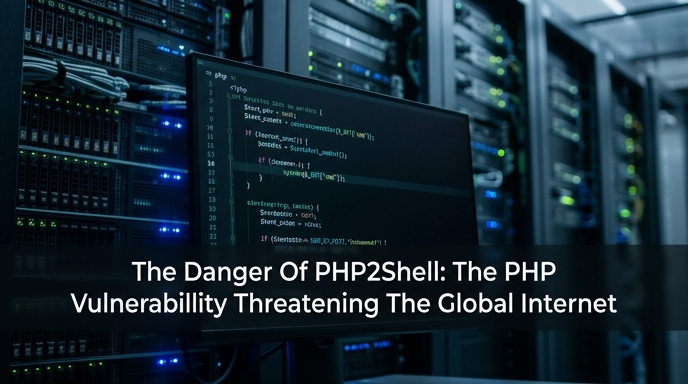
Imagine you’re just casually scrolling through your feed or surfing the web, and out of nowhere, every single public platform, from your campus portal and hospital websites to official government pages, goes completely offline and crashes hard. This isn’t some dystopian sci-fi movie plot, guys, it literally just happened in Europe! A bunch of government sites in the Netherlands, Denmark, and Finland were intentionally pulled offline for a temporary shutdown. They didn’t take this extreme step because their servers were definitely hacked, but to prevent a bigger catastrophic cyber disaster after PHP2Shell was uncovered, two ultra-critical security flaws were found right inside PHP.
The arrival of PHP2Shell instantly sent shockwaves through the global tech community because its risks are no joke. For anyone curious about why this bug is so fatal and how it affects Indonesia’s digital ecosystem, let’s break down the case so your tech knowledge stays up-to-date!
Why is a Security Flaw in the PHP Engine Shaking Up the World?

If you’re still confused about why this PHP vulnerability is blowing up the whole planet, the easiest analogy is a restaurant. The aesthetic website popping up on your phone or laptop screen is like the neat dining area. Meanwhile, PHP is the backend kitchen engine working hard behind the scenes to process orders, grab data from the server, and serve it straight to your screen.
1. The Main Engine Powering Millions of Viral & Popular Sites
As the main kitchen engine of the internet, PHP runs massive global platforms like WordPress, Joomla, Drupal, and Wikipedia. So, if a fatal flaw hits this engine, the domino effect is massive. Hundreds of thousands to millions of websites across the globe could collapse or go down all at once in a split second.
2. PHP’s Journey: From a Solo Project to the Core Foundation of the Global Web
Created back in 1994 by Rasmus Lerdorf just to keep track of his personal resume, PHP blew up fast because it was free, super easy to learn, and supported by budget hosting. Based on W3Techs data from October 2026, PHP still lowkey dominates about 69.3% of all websites on planet Earth.
On top of that, surveys show around 81.9% of sites in Indonesia run on this tech stack, including the Open Journal Systems (OJS) platform for academic journals and Hospital Information Systems (SIRS). Cheap operational costs plus a school curriculum heavily leaning on PHP make Indonesia’s digital ecosystem super dependent on this stack.
The Harsh Reality of the PHP2Shell Crisis and the Scary Role of AI
Things went from chill to zero to a hundred real quick when two vulnerabilities rated at a max-threat level (9.2 out of 10) were exposed. The global cyber community dubbed this threat PHP2Shell, a fatal bug that lets hackers completely hijack server control without needing to type in a password at all! So, how does a PHP2Shell attack actually work?
- The First Flaw: Happens due to memory mismanagement when data processing abruptly stops halfway through in a weird way.
- The Second Flaw: It’s like leftover customer data lingering and piling up on the server. Hackers can exploit this to inject malicious code while stealing sensitive access keys.
What makes it even scarier is the role of AI in accelerating this leak. This flaw was actually hidden in plain sight for over ten years, ever since PHP version 5.4 dropped. But with AI tools in the hands of bad actors, hackers managed to uncover this dark secret in just a matter of weeks. The insane speed of AI finding exploits leaves sysadmins super stressed because they have a tiny window to patch their systems.
The Insane Fallout Shadowing Indonesia’s Tech Landscape
PHP’s massive dominance in Indonesia is a total double-edged sword. On one hand, public service digitalization happens crazy fast and cheap. But on the other hand, when a PHP security crisis hits, Indonesia instantly becomes one of the most vulnerable countries to take a direct hit. Here are some vital sectors caught in the danger zone:
- Government & Public Sector: Thousands of ministry, local government (pemda), and village portal sites are at high risk of getting breached or hacked.
- Education Sector: Extremely vulnerable, especially since Indonesia is the biggest user of the OJS platform in the world. A data breach here could permanently wreck academic credibility.
- Healthcare System: Hospital databases hold super sensitive medical records. If compromised, the whole patient care workflow could freeze entirely.
- SMEs & Online Shop: For local business owners, this cyber attack could mean stolen transaction data or getting shady illegal online gambling pop-ups injected straight onto their sites automatically.
Tactical Moves and Quick Fixes for PHP2Shell
To keep the damage from spiraling out of control, we need quick, precise, and efficient moves. Tackling technical issues like this isn’t enough with just formal warning papers on a desk, it needs direct execution on the ground!
1. The Ultimate Fix
The only solid way to fix PHP2Shell is by updating or migrating ASAP to safe PHP versions, like 8.5.12 or 8.3.36. Hosting providers also gotta run mass server patches to protect all users, especially those on budget hosting plans.
2. The H2O Approach (Reliable, Budget-friendly, Optimal)
This method needs to be rolled out as fast as possible. Relevant bodies like BSSN need to drop quick alerts, run automated scans on vulnerable sites, and temporarily isolate critical systems from public networks to block fatal cyber attacks.
FAQ About PHP2Shell
What is the PHP2Shell security flaw?
PHP2Shell is a term for two critical security flaws in PHP that allow hackers to exploit server memory and take full control without needing password access.
Why is Indonesia so vulnerable to the impact of PHP2Shell attacks?
Because about 81.9% of websites in Indonesia use PHP as their main foundation, including government portals, hospital systems, and academic journal platforms (OJS).
Final Thoughts
The security crisis brought by the PHP2Shell vulnerability is a huge wake-up call for our digital world. Cybersecurity nowadays isn’t about having the flashiest tech anymore, but how disciplined you are in maintaining and updating the systems you run.
We can’t just sit around chilling while waiting for citizen data to leak or public services to crash before taking action. By locking things down fast and tight (just like those European countries did), we can keep Indonesia’s internet ecosystem secure, solid, and ready for whatever cyber threats come our way!