

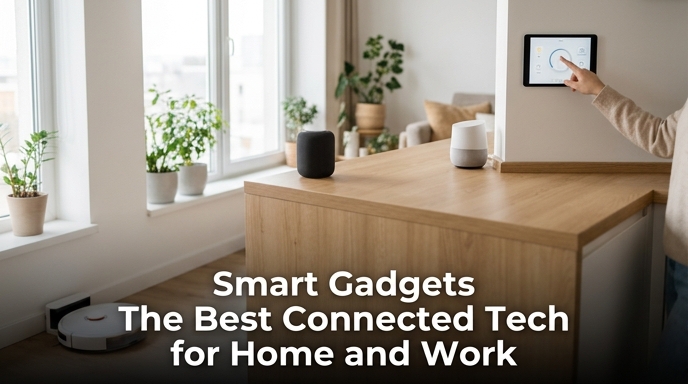
The implementation of automation technology at home and in the workspace is reshaping how we interact with our surrounding environment. The use of modern smart gadgets not only provides remote control convenience, but also creates a significantly more efficient living ecosystem. Many users are realizing that the effectiveness of smart devices is not solely determined by advanced individual features, but by how seamlessly these devices communicate with one another. Robust integration across devices reduces daily operational time and significantly lowers energy consumption.
Developing IoT connectivity-based technology allows all electronic equipment to be interconnected within a unified network. Choosing devices with universal communication standards streamlines smart home system management without compatibility issues. This article discusses how to build a responsive, secure, and highly functional automated device ecosystem to support your work productivity and living comfort.
The Role of Unified Communication Protocols in Automation
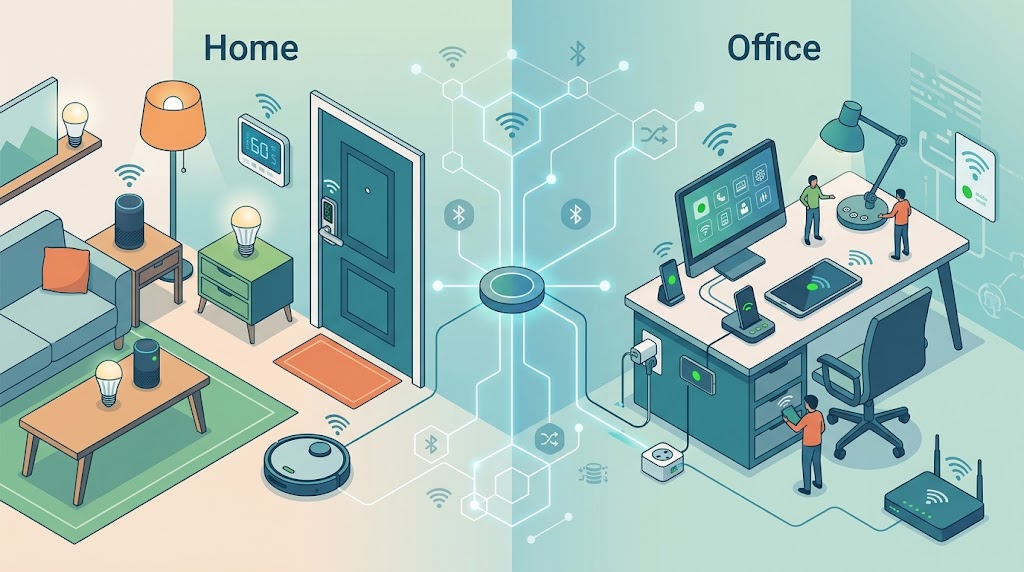 Many consumers encounter challenges when attempting to combine devices from different manufacturers into a single network. This issue frequently triggers connection disruptions, delayed command responses, and the inconvenience of managing multiple separate control applications. Therefore, understanding the importance of interoperability protocols is a crucial step before purchasing new smart devices.
The emergence of open standards such as Matter Protocol and Zigbee fundamentally changes the residential automation landscape. These protocols enable app-controlled devices across brands to exchange data directly without relying on external cloud servers. Consequently, voice commands and automation routines operate significantly faster with minimal latency.
Furthermore, utilizing closed local networks enhances personal data security against potential hacking attempts. When device-to-device communication occurs within a local router, your daily activity data does not need to be transmitted continuously to external servers. Selecting Matter-certified devices serves as the key foundation for building a stable and sustainable smart ecosystem.
Essential Smart Devices for Home and Office Productivity
Selecting the right units requires careful planning to align with specific needs in both work and living spaces. A combination of intelligent hardware can create an environment that adapts effortlessly to your daily routine.
- Universally Certified Central Control Hub This unit serves as the central brain for the entire home automation system. The central hub coordinates signals from various manufacturers, allowing you to manage lighting, climate control, and security systems from a single control interface.
- Smart Sensors with High Precision Response Deploying motion detectors, temperature sensors, and humidity sensors enables automated environmental control. Workspace lighting turns on automatically upon entry and powers off when leaving, maximizing energy efficiency.
- Automated Smart Switches and Outlets Connecting conventional appliances to smart plugs allows flexible operational scheduling. Users can track daily power consumption to effectively prevent unnecessary electricity waste.
- Encrypted Security Cameras and Smart Locks Smart security systems provide peace of mind with real-time smartphone alerts upon detecting suspicious movement. High-grade encryption features ensure access to your home remains secure and controlled at all times.
Compiling a planned list of the best smart gadgets prevents redundant device purchases. Focus on units that solve actual challenges in your space to maximize the value of your technology investment.
Maintaining Privacy and Network Security in Smart Homes
Deploying connected technology requires targeted attention to cybersecurity. Any unit connected to your home Wi-Fi network could become an entry point for malware attacks if configured improperly. Rigorous security practices should be implemented from the initial setup.
The most critical step is separating the primary Wi-Fi network from the dedicated smart home or IoT network. Create a secondary SSID or an isolated guest network separate from laptops and smartphones containing sensitive data. This measure restricts lateral movement for attackers if a smart device is compromised.
Additionally, regularly update software to patch system vulnerabilities identified by developers. Use strong passwords and enable two-factor authentication on every device control app. Multi-layered protection ensures your smart home ecosystem remains safe from unauthorized access.
Compared to conventional setups, managing a secure automated system requires careful initial configuration. However, the resulting convenience and long-term time savings make the effort worthwhile.
Practical Solutions for Connected Device Management
How can smart devices from different brands be integrated to work together?
Use a control hub that supports Matter or Zigbee standards to bridge cross-device communication. These universal protocols allow multi-brand devices to interact directly without switching between apps.
Do smart automation systems consume high amounts of electricity continuously?
Not at all. Most modern smart devices feature low-power chipsets with minimal standby power consumption. Precise power-off automation actually helps reduce monthly energy bills effectively.
Can a smart home system function without an active internet connection?
Devices utilizing Matter or Zigbee protocols can continue executing local automation routines even during internet outages. However, remote control features from outside the home require an active internet connection.
What is the recommended starting point for smart home beginners?
Start with straightforward components such as smart plugs or automated light bulbs that install easily without wiring modifications. Once familiar with the operations, you can gradually introduce a central hub and supporting sensors.
Why is voice assistant integration important for smart homes?
Voice control integration provides convenient hands-free management of room functions. This is particularly useful when multi-tasking or handling tasks in areas like the kitchen.
Achieving Effective Environmental Automation
Building an integrated ecosystem using innovative smart gadgets for home significantly improves living quality and operational efficiency. Successful automation relies not on device quantity, but on seamless integration and robust network security. Design your automation roadmap today, choose universal communication standards, and build a responsive and efficient environment.