

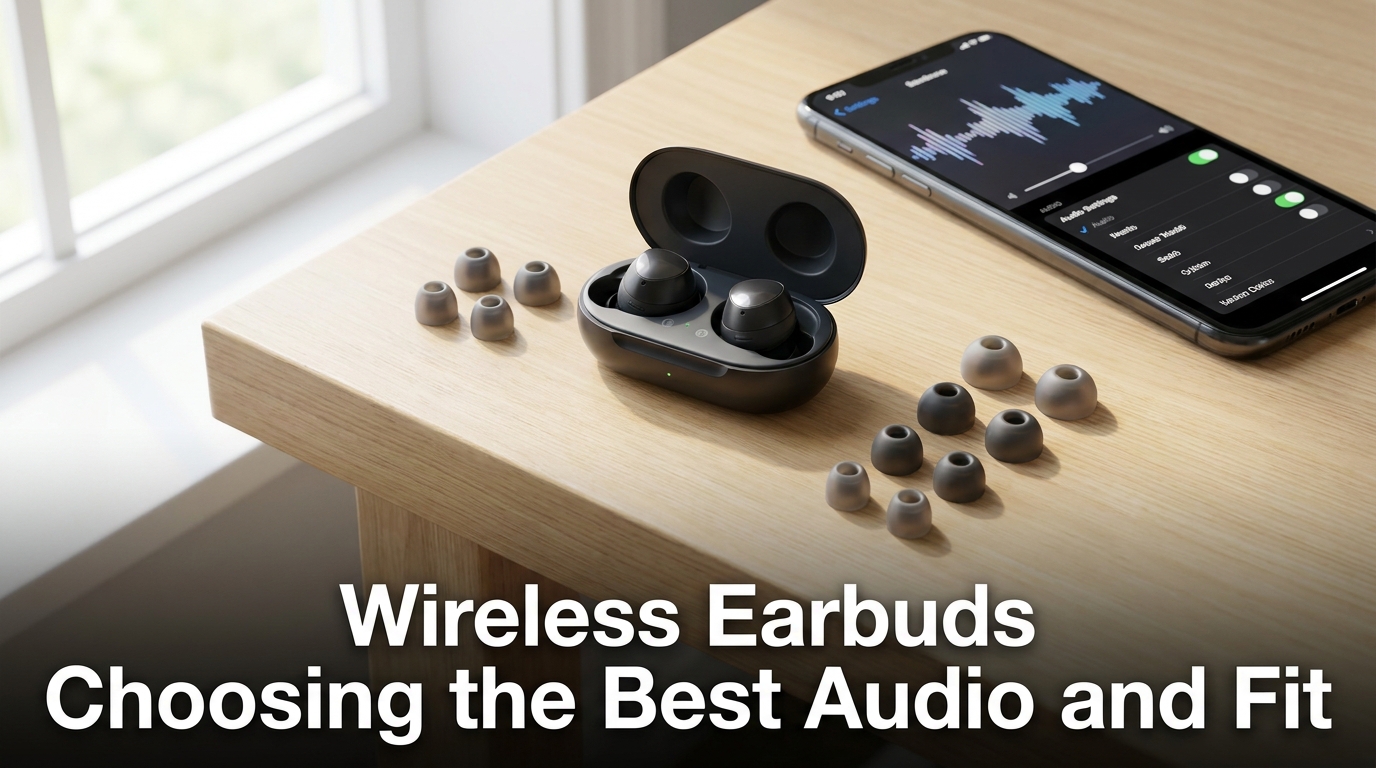
Listening to music, attending virtual work meetings, and exercising have become vastly more convenient without tangled cables getting in your way. Today, using wireless earbuds has established itself as the modern standard for audio enthusiasts who prioritize mobility and everyday convenience. Leading manufacturers consistently introduce innovative acoustic designs that combine crystal clear audio output with sophisticated ambient noise isolation. However, the sheer variety of available models and complex technical specifications can easily overwhelm prospective buyers seeking the best sound balance. Understanding fundamental performance parameters like acoustic tuning, battery stamina, and ergonomic comfort will guide you directly toward the ideal audio companion.
Why Hardware Quality Matters for Long Term Listening
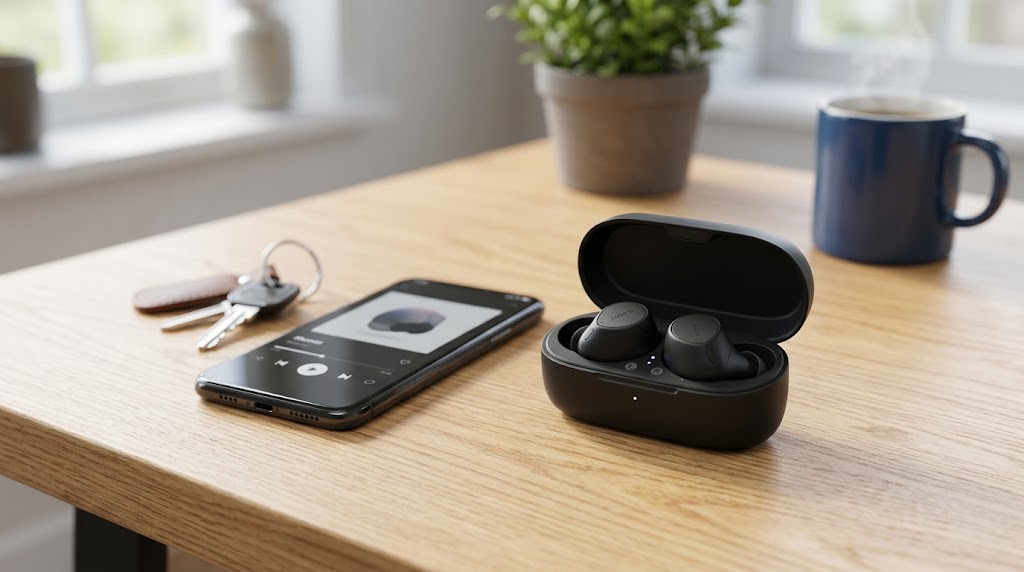
Selecting a dependable portable audio companion requires evaluating key technical details beyond sleek aesthetics and brand marketing. A foundational grasp of core hardware elements ensures you secure a truly rewarding listening experience. The design and size of internal acoustic drivers determine how effectively the device balances deep bass frequencies, crisp vocal midtones, and soaring treble notes. Meanwhile, modern bluetooth protocol stability guarantees smooth audio streaming without distracting latency when watching video content. This synergy of internal components creates an immersive soundstage wherever your daily routine takes you.
Core Performance Parameters of Modern Wireless Earbuds
Evaluating personal audio gear requires a structured approach to ensure your financial investment delivers lasting performance. Systematic testing across fundamental hardware categories provides valuable clarity before making a purchase.
Acoustic Balance and Detailed Audio Quality
Spatial sound staging plays a vital role in delivering rich, dynamic musical detail across various genres. High grade dynamic drivers produce deep, punchy low-end response without muddying the vocal clarity found in the middle frequencies. In addition, refined treble extension creates an open and airy acoustic space when listening to live acoustic recordings or intricate classical compositions. Audio enthusiasts who appreciate complex multi-instrument tracks require hardware capable of separating distinct acoustic layers with pinpoint accuracy.
Efficiency of Active Noise Cancellation Systems
For individuals who frequently commute or study in loud surroundings, active noise cancellation represents an indispensable feature for sustained mental focus. This system relies on external microphone arrays that detect environmental rackets and instantly generate inverted sound waves to neutralize unwanted noise. Interestingly, modern ambient algorithms can adjust noise isolation levels automatically based on the fluctuating sound dynamics around you. This capability substantially dampens the continuous drone of train engines, office air conditioning units, and lively cafe background chatter.
Ergonomic Fit and Silicone Eartip Selection
Physical housing geometry and ear tip material selection directly influence long term wearing comfort. Because human ear canals vary significantly in size and contour, a properly engineered ergonomic fit prevents physical ear fatigue during extended listening sessions. In fact, achieving an airtight silicone seal inside the ear canal plays a massive role in preserving rich bass resonance and passive acoustic isolation. Always experiment with the multiple silicone or foam tips included in the packaging to discover the most secure and comfortable seal.
Extended Battery Stamina and Compact Charging Cases
Practical battery life dictates how long you can enjoy media playback before searching for an electrical outlet. Individual wireless earpieces typically deliver anywhere from five to eight hours of continuous standalone playback on a single charge. Meanwhile, a compact battery case provides several additional power reserves, pushing total operational endurance beyond twenty-four hours. Rapid charging capabilities also prove extremely advantageous when you need hours of playback power from just a quick ten minute recharge before leaving home.
Matching Audio Hardware with Specific Lifestyle Requirements
Every listener maintains unique lifestyle demands that dictate which acoustic features deserve the highest priority. For outdoor runners and fitness enthusiasts, robust water and sweat resistance ratings remain essential to safeguard internal circuitry from moisture damage. On the other hand, remote professionals who handle frequent conference calls need precision microphone arrays equipped with advanced background filters. When compared to bulky noise cancelling headphones that cover the entire ear, compact earpieces offer superior everyday portability that slips effortlessly into any pocket.
| Product Name | Price (USD) | Key Features / Highlights | Battery Life | Water Resistance |
| Sony WF-1000XM6 | $328 | Top-tier Active Noise Cancellation (ANC), spatial sound, clear mic | ~8 hrs (+24 hrs with case) | IPX4 (Splash & sweat resistant) |
| Apple AirPods Pro 3 | $249 | Apple ecosystem integration, adaptive ANC, health tracking | ~8 hrs (+30 hrs with case) | IP54 (Dust & water resistant) |
| Bose QuietComfort Ultra (Gen 2) | $299 | Industry-leading noise cancellation, exceptional ergonomic comfort | ~6 hrs (+18 hrs with case) | IPX4 (Splash resistant) |
| Anker Soundcore Liberty Pro 5 | $170 | Smart case display, high-res audio, ultra-clear voice calls | ~9 hrs (+28 hrs with case) | IPX5 (Water jet resistant) |
| EarFun Air Pro 4 Plus | $100 | Best value budget option, dual drivers, strong ANC, Bluetooth 6.0 | ~8 hrs (+24 hrs with case) | IPX5 (Water jet resistant) |
| Sony WF-C510 | $48 | Ultra-lightweight design, balanced sound, cost-effective entry-level | ~11 hrs (+11 hrs with case) | IPX4 (Splash resistant) |
Essential Maintenance Practices for Audio Longevity
Consistent maintenance of your audio hardware preserves pristine sound fidelity and extends overall operational lifespan. Regularly clean accumulated debris from the acoustic sound nozzles and charging contact pins using a soft, dry detailing brush. Avoid storing the charging cradle in excessively humid environments or under direct sunlight for prolonged intervals. Furthermore, topping up the battery reserve before it completely discharges helps maintain optimal lithium-ion cell chemistry over years of active daily use.
Making the Final Decision on Your Next Audio Purchase
Choosing the right wireless earbuds ultimately comes down to balancing your personal budget, ergonomic fit, and desired sound quality. Take time to examine verified hardware tests and assess real-world battery benchmarks before completing your order. Start evaluating your primary daily activities today, select the model that aligns with your lifestyle, and experience the transformative difference of premium wireless audio clarity across all your favorite tracks.
Frequently Asked Questions About Wireless Audio Gear
What is the expected operational lifespan of wireless audio batteries?
Most modern wireless earpieces deliver reliable battery performance for approximately two to three years before chemical aging naturally reduces overall capacity.
Does running active noise cancellation reduce playback duration?
Enabling active noise suppression typically reduces total battery stamina by roughly twenty percent because internal processors continuously calculate anti-noise frequencies in real time.
How should users clean silicone ear tips safely?
Remove the silicone tips from the main earbud housing, wash them gently with mild warm water, and allow them to dry completely before reattaching them.
Can users wear water resistant earbuds during heavy rainstorms?
While certified splash resistance protects against sweat and light drizzles, exposing delicate electronic hardware to torrential downpours risks internal moisture penetration and component failure.
What causes occasional audio lag when streaming video content?
Noticeable latency generally stems from transmission codec mismatches between the host smartphone transmitter and the audio receiver inside the wireless earpieces.